When Winning Isn't Enough: The Hidden Volatility Risk Every Crypto Bettor Faces
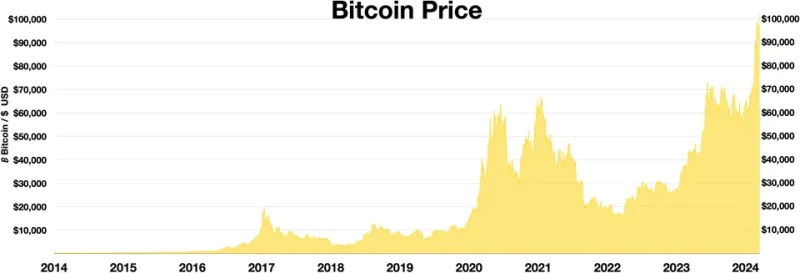
Photo: Wikideas1, CC0, via Wikimedia Commons
Imagine you put 0.05 ETH on a live NFL spread during the first quarter. The line moves in your favor, your team covers, and you cash out a clean winner. By the time the final whistle blows, though, Ethereum has dropped 12% — and your winnings are worth noticeably less than when you started. You won the bet and still came out behind.
This is the reality of crypto sports betting that nobody talks about enough, and it's a fundamentally different kind of risk than anything a traditional sportsbook bettor has to think about.
Two Risks, Not One
When you place a bet in dollars at a US sportsbook — whether online or at a Vegas window — your risk is clean and simple: the bet either wins or loses. The $50 you put down is worth $50 when you get it back, plus or minus your outcome.
Crypto betting doesn't work that way. Every wager you place is denominated in an asset that has its own price behavior, independent of whatever game you're watching. So you're always managing two separate risk variables at the same time: the betting risk (will your pick cover?) and the asset risk (will the coin hold its value while all this plays out?).
For live stream bettors especially, where action happens fast and multiple bets might be placed in a single session, that dual exposure adds up quickly.
Real Scenarios Where This Gets Painful
Consider a few situations that play out more often than people admit.
You're watching a live basketball stream and you bet Bitcoin on the second-half over. It hits. But Bitcoin dropped 8% during the game because of some macro news event, and your payout in USD terms is smaller than your original stake's USD value. You technically won. Your wallet says otherwise.
Or flip it: You place a losing bet in Solana on a Sunday afternoon. By Monday morning, Solana has surged 20%. Your loss in coin terms is now significantly less painful in dollar terms than it was when you made the bet. You lost the wager but the asset bailed you out.
These swings aren't edge cases. Crypto markets move hard and fast, often during weekends and late nights — exactly when live sports betting and streaming activity peaks.
Why Live Betting Amplifies the Problem
In-game wagering is already the most fast-paced corner of sports betting. Lines shift every few seconds. Odds on a live NFL drive can flip completely between plays. That speed is part of the appeal.
But for crypto bettors, speed is also the enemy of clarity. When you're making split-second decisions on a live line while watching a stream, you're almost certainly not also monitoring your coin's spot price in real time. You're focused on the game. The market doesn't care.
A session that involves 10 or 15 live bets over three or four hours creates a lot of exposure windows — each one a moment where price movement could quietly reshape your actual returns regardless of how your picks performed.
How Experienced Crypto Bettors Think About Bankroll Differently
The bettors who navigate this well don't just think about their bankroll in coin terms. They think in both dimensions simultaneously.
One approach is to set a session budget in USD terms and translate it to crypto at the start of the stream, then treat that as a hard ceiling. If the coin drops and your wallet's USD value falls below a set threshold, that's a stop-loss trigger — not because you've lost bets, but because the asset itself has moved against you.
Another strategy involves using stablecoins for the actual betting activity, keeping volatile holdings separate. Betting in USDC or USDT removes the asset volatility layer entirely, so your only risk variable is the bet itself. You sacrifice the potential upside of betting in a coin that moons mid-session, but you also eliminate the scenario where you win bets and still lose ground.
For bettors who want to keep their crypto exposure, shorter session windows matter. The longer you're in the market — even just as a bettor, not a trader — the more time volatility has to work against you. Keeping live betting sessions tight, maybe 60 to 90 minutes max, limits your exposure window meaningfully.
The Staking Size Equation
Traditional bankroll management wisdom says to bet 1-5% of your total roll per wager depending on confidence level. Crypto bettors need to adjust that calculus.
If your bankroll is held in a volatile coin, your "roll" in dollar terms is already a moving target. Betting a fixed percentage of a volatile asset means your actual dollar exposure fluctuates even before the game starts. Serious crypto bettors either peg their unit size to a dollar amount (and convert at time of bet) or keep their betting bankroll in a stablecoin and their investment holdings in the volatile assets they want exposure to.
Keeping those two things separate — betting capital and investment capital — is one of the cleaner mental frameworks for managing dual risk without losing your mind.
The SunWin Pro Reality Check
At SunWin Pro, the whole point is real stakes in real time. That's the fun of it. But real stakes mean real risk, and in a crypto-integrated betting environment, that risk has a layer most bettors from traditional sportsbook backgrounds haven't encountered before.
A cold streak hurts. A cold streak during a market downturn hits different. Understanding that going in — and building a strategy that accounts for it — is what separates bettors who last in this space from those who burn out wondering why their winning percentage didn't save them.
The math works differently here. Make sure your strategy does too.