Quiet Hours, Loud Losses: The Hidden Cost of Betting During Low-Activity Crypto Windows
There's something almost meditative about a late-night stream. The chat slows down, the energy drops a few notches, and it feels like you finally have room to think clearly. No crowd noise, no hype, just you and your read on the game. That calm can feel like an edge.
It isn't.
What most live bettors don't realize — and what platforms definitely aren't rushing to explain — is that the quiet hours carry a hidden tax. It's not a fee you'll find on any invoice. It shows up in slippage, in spreads that drift wider than they should, and in crypto conversions that cost you a little more than they would at noon on a Tuesday. Individually, none of it looks like much. Stacked over a month of late streams? You might as well have been handing money back with every bet.
What 'Low Liquidity' Actually Means for Your Wallet
Liquidity is just a fancy word for how much activity is happening in a market at any given moment. When liquidity is high — think mid-morning on a weekday when US, European, and Asian markets overlap — there are tons of buyers and sellers. Prices stay tight. You get in and out of positions close to the number you actually wanted.
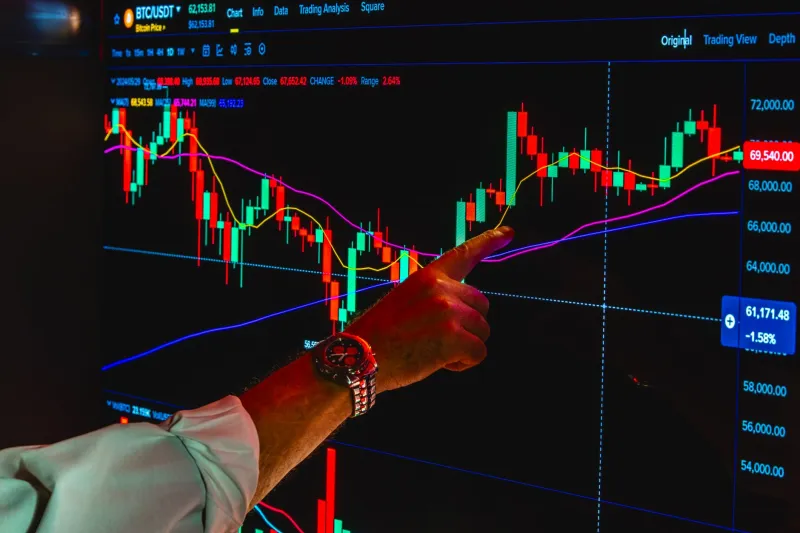
When liquidity dries up, which happens in the late-night hours here in the US, things get sloppier. The gap between what someone will sell crypto for and what someone else will buy it for — the spread — widens. If you're moving funds into a betting platform using Bitcoin or Ethereum during those hours, you're often converting at a slightly worse rate than you'd get during peak windows. It's not dramatic. It's a fraction of a percent. But fractions compound.
The same dynamic plays out on the betting side itself. Live odds during low-volume hours — think 1 to 4 a.m. Eastern on a slow sports night — often have softer lines because there are fewer sharp bettors in the market to push them toward accuracy. That sounds like opportunity, but it's actually a double-edged situation. Platforms compensate for the risk of pricing errors by baking in extra margin. You're paying for their uncertainty.
The Slippage Problem Nobody Talks About
Slippage is the difference between the price you expected and the price you actually got. In stock trading, it's a well-known problem. In crypto betting, it's wildly underappreciated.
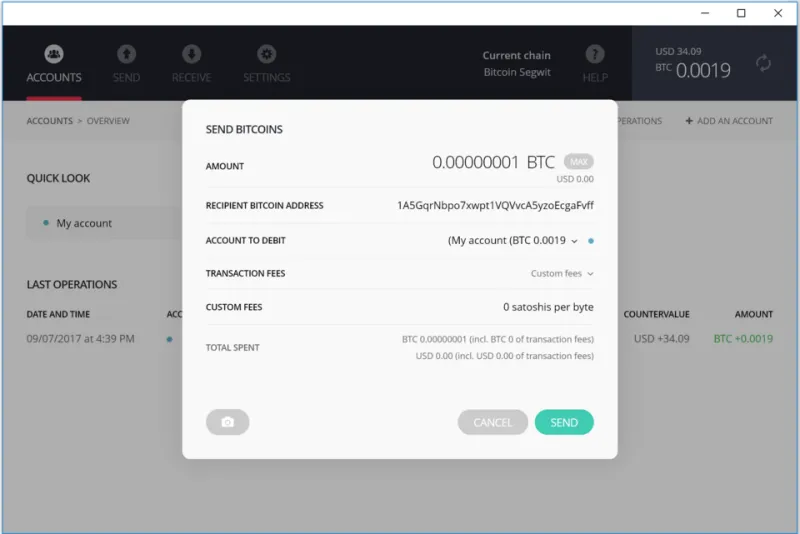
Here's a real-world scenario: You're streaming a late West Coast game that tips off around midnight Eastern. You want to move $500 in ETH onto your betting platform to cover a live wager. During peak hours, that conversion might cost you $2 in slippage. At 1 a.m. with thin order books, that same move might cost $7 or $8. Not the end of the world on its own.
Now replay that scenario twice a week for three months. You've quietly lost somewhere between $125 and $175 just in conversion slippage — before a single bet has been graded. That's not a bad beat. That's a structural leak in your process, and it has nothing to do with your handicapping ability.
The problem gets worse if you're using smaller altcoins or anything outside of BTC and ETH. Liquidity for those assets during off-peak hours can be genuinely terrible, and the spread costs reflect it.
Why It Feels Safe When It Isn't
Part of what makes dead money hours so dangerous is that they don't feel dangerous. You're not chasing losses. You're not betting drunk on a Saturday night after a rough session. You're calm, you've done your research, and you're making what feels like a disciplined wager.
But the betting environment itself is working against you in ways that have nothing to do with your decision-making. The odds are slightly staler. The crypto rates are slightly worse. The markets are slightly less efficient. None of it is catastrophic in isolation. All of it together creates a version of the game that's tilted a little further against you than the version you'd be playing at 4 p.m. on a Sunday during peak NFL action.
The psychological trap is that you can't see the damage in real time. You make the bet, it settles, and the result looks like any other result. The slippage already happened. The spread cost already happened. You just didn't notice.
How to Identify Your Own Dead Money Windows
The first step is actually tracking this stuff. Pull your last 30 days of betting history and note the timestamps. Then cross-reference the times you moved crypto with the approximate spread costs during those windows. Most major exchanges will show you historical spread data if you dig for it.
You might be surprised what you find. A lot of bettors discover that their worst performing time windows aren't actually the ones where they made the most mistakes — they're the ones where the structural costs were highest.
Some questions worth asking yourself:
- Are you consistently moving crypto onto platforms between midnight and 6 a.m. Eastern?
- Are you using assets with thinner liquidity profiles during those hours?
- Are you placing live bets during periods when the sportsbook's overnight lines are less sharp?
If you answered yes to any of those, you've got a leak worth plugging.
Practical Ways to Stop Bleeding During Off-Peak Hours
You don't have to stop streaming late-night games. That's not realistic for a lot of bettors, and honestly, some of the best matchups happen after midnight. What you can do is change how you fund and place your bets during those windows.
Pre-fund before the session starts. Move your crypto onto the platform during peak hours — late morning or early afternoon — so you're not converting at bad rates when you actually want to bet. Your funds sit there ready, and you avoid the late-night slippage entirely.
Stick to BTC and ETH during off-peak moves. If you have to convert during slow hours, use the assets with the deepest liquidity. The spread cost on Bitcoin at 2 a.m. is still better than the spread cost on most altcoins at noon.
Size down during low-volume betting windows. If you're going to bet late, bet smaller. The odds are marginally softer and the structural costs are higher. Adjust your unit size to reflect the actual edge you have in that environment, not the edge you'd have in a healthier market.
Use stablecoins as a buffer. Converting to USDC or USDT during peak hours and holding them until you need to bet is a legitimate way to sidestep crypto volatility and spread costs during off-hours. You're not getting price appreciation, but you're also not paying the dead-market tax every time you fund a session.
The Bigger Picture
Betting sharp isn't just about picking winners. It's about understanding the full cost structure of every wager you make — including the ones that happen before you ever click confirm on a bet slip. The crypto layer of live streaming betting adds complexity that most bettors haven't fully priced into their thinking.
The bettors who last in this game are the ones who treat every dollar as a resource worth protecting, not just the ones on the line. Quiet hours can be great for focus. They're lousy for market conditions. Know the difference, and your bankroll will thank you for it.